BigBetty.io — выгодная iGaming партнерка с высокими комиссиями и пожизненным RevShare

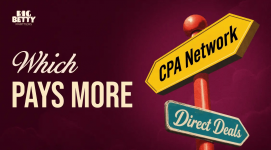
CPA Network vs Affiliate Program: What Actually Scales?​

1779780288208.png
Traffic alone doesn’t print money, darling. Structure does. That’s the whole game in iGaming affiliate marketing.

CPA networks help affiliates launch fast, test offers, and move quickly across different traffic sources. Affiliate programs work differently: stronger deal flexibility, higher ceilings, and long-term revenue logic once traffic stabilizes.

Where the Real Difference Starts​

At small volumes, both models can look similar. At scale, the math changes.

CPA networks usually focus on speed and simplify onboarding. Affiliate programs give more control over payouts, tracking, and long-term monetization. That directly affects margin retention.

Typical benchmarks look like this:
  • CPA networks: usually $50-$300 for Tier-1 markets
  • Affiliate programs: can reach €600+, depending on volume and traffic quality
  • RevShare models: commonly operate within 20-60%, depending on structure and performance tiers
The important part? The same traffic can generate completely different revenue depending on the setup behind it.

CPA vs RevShare: Short Cash or Long Money?​

CPA gives fixed payouts immediately. RevShare compounds over time through player activity.

That’s why paid traffic teams often prioritize CPA during testing phases, while SEO and content affiliates usually focus on long-term RevShare accumulation.

A few numbers worth keeping on your radar:
  • Click-to-Deposit: 20%
  • Reg-to-Deposit: 50%
Different metrics. Different funnel stages. Never mix them into one range, sweetheart.

What Usually Kills RevShare​

This part separates the cool heads from the all-show-no-go crowd.

Before scaling any deal, affiliates should always check:
  • negative carryover conditions
  • NGR calculation logic
  • payout deductions
  • cookie duration
  • tracking transparency
One messy clause can quietly eat long-term revenue. That’s her bag.

When Affiliates Usually Move Beyond Networks​

Networks make sense for:
  • testing new traffic sources
  • early-stage scaling
  • fast multi-offer launches
Affiliate programs become stronger when:
  • traffic retention stabilizes
  • volume reaches 10-20+ FTDs monthly
  • affiliates need better terms and flexible structures
  • long-term revenue becomes the priority
Once traffic becomes predictable, capped setups start to feel mighty small.

Final Word​

At scale, affiliates stop choosing “easy.” They choose structures that keep revenue growing month after month.

And that, darling, is where the real treasure sits.

Full article already waiting on the Big Betty blog. Dig into the full breakdown, benchmarks, and scaling framework 💋

1779780288214.jpeg
 

Casino Affiliate Scaling: Why Most Affiliates Plateau at $10k​

1779872234444.png

Most affiliates hit the same wall somewhere between $1k and $10k/month. More traffic doesn’t solve it. Structure does.

In iGaming, growth comes from smarter monetization, diversified traffic, and stronger deal terms. Affiliates who scale to six figures usually make three decisions early:
  • switch from flat CPA to scalable RevShare models
  • diversify traffic sources before volatility hits
  • negotiate based on data, not assumptions
That’s where the real treasure starts showing up, darling.

Why Affiliates Get Stuck​

Most intermediate affiliates face the same bottlenecks:
  • dependence on one traffic source
  • default RevShare stuck at 25-35%
  • weak player retention
  • lack of postback tracking and analytics
Grinding harder rarely fixes structural problems. Programs reward affiliates who bring quality and consistency, not just raw clicks.

CPA vs RevShare: The Real Scaling Point​

CPA works well for short-term cash flow. RevShare starts outperforming once player lifetime value stretches beyond a few months.

Typical structure inside affiliate programs:
  • 0-5 FTD → 25%
  • 6-10 FTD → 30%
  • 11-20 FTD → 35%
  • 21-40 FTD → 40%
  • 41+ FTD → 45%+
Top-performing partners negotiate higher tiers when retention and reg-to-deposit metrics stay stable. That’s the part many affiliates miss, peach. Volume alone doesn’t unlock premium deals.

Traffic Diversification Separates Advanced Affiliates​

Single-source affiliates eventually hit a ceiling. One algorithm update, one blocked ad account, one traffic drop — and scratch disappears fast.

Strong affiliate setups usually combine:
  • SEO/content
  • PPC or native traffic
  • owned traffic like email or communities
Performance benchmarks vary by channel:
  • SEO/PPC → 20–60% reg-to-deposit
  • FB/ASO → 30–50%
  • In-app → 15–30%
The affiliates scaling fastest today build systems, not isolated campaigns.

Why Some Affiliates Never Break Past 40% RevShare​

Programs evaluate traffic quality more aggressively than most affiliates expect.

The key signals usually include:
  • reg-to-deposit above 30%
  • strong player retention
  • stable Tier-1 market traffic
  • clear reporting and tracking
Affiliates who walk into negotiations with data get better terms. Affiliates who rely only on “big numbers” stay parked at default percentages. Simple as that, cool head.

Scaling Requires Infrastructure​

The jump from intermediate to advanced affiliate level usually happens once proper analytics enter the picture.

Core setup includes:
  • postback tracking
  • source attribution
  • LTV monitoring
  • GEO split analysis
  • multi-channel reporting
Without clean data, scaling turns into guessing dressed up as strategy. And Betty doesn’t play roulette with business decisions.

Final Thoughts​

Scaling affiliate revenue isn’t about “working harder.” It’s about building a structure that compounds over time.

Better traffic quality. Better analytics. Better negotiation leverage.

That’s how affiliates move from first FTDs to serious monthly revenue.

The full breakdown with benchmarks, scaling timelines, RevShare structures, and traffic strategy examples is already waiting on the Big Betty blog. Take a look, darling. The good stuff’s there 💸

1779872234448.jpeg
 

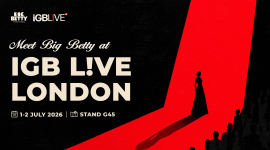
Next Stop: iGB L!VE London — Meet Big Betty at Stand G45​

Big Betty Partners - IGB L!VE 2026.png

Big Betty Partners is heading to iGB L!VE London this July to meet affiliates, media buyers, and traffic teams ready to scale.​


iGB L!VE remains one of the key mid-year events in the iGaming industry, bringing together affiliates, tech companies, marketing teams, and decision-makers from across the global market.

If you’re attending the event and looking for fresh traffic insights, new partnership opportunities, or direct communication with an experienced affiliate team, let’s meet in London.

Conference Details
Event:
iGB L!VE London
Date: 1-2 July 2026
Location: Excel London
Stand: G45

The event brings together thousands of industry professionals and remains one of the strongest networking spots in the summer conference season.

Why It’s Worth Meeting Big Betty​

At Stand G45, the Big Betty team will be discussing:
  • SEO, PPC, FB, ASO, and in-app traffic
  • scaling opportunities in Tier-1 markets
  • conversion optimization approaches
  • long-term affiliate growth strategies
  • personalized partnership structures
  • traffic monetization insights
Our affiliate program focuses on performance, transparent communication, and long-term cooperation.

Current performance benchmarks across traffic channels:
  • SEO/PPC: 20-60%
  • FB/ASO: 30-50%
  • In-app: 15-30%
  • Click-to-Deposit: 20%
  • Reg-to-Deposit: 50%
Visitors will also have the opportunity to meet Bogdan, Head of Affiliates at Big Betty Partners, and discuss partnership opportunities directly with the team.

What to Expect at Stand G45​

We’re bringing more than business cards to London.

Visitors can expect:
✅ networking with the Big Betty team
✅ exclusive merch
✅ quick strategy talks
✅ interactive activities
✅ the StopTime challenge with prizes
✅ a relaxed networking atmosphere at the stand bar

— “Networking creates much stronger results than endless messaging, especially for new partners. Conferences allow both sides to discuss traffic, expectations, and launch details in a comfortable environment,” says Bogdan, Head of Affiliates at Big Betty Partners.

Book Your Meeting

The London schedule is already filling up, so if you’d like dedicated time with the Big Betty team, make sure to reserve your meeting in advance.

See you at Stand G45

1779984058341.jpeg
 

Affiliate Management in 2026: Big Traffic Loves Big Systems​

igaming-affiliate-management.png

Traffic in iGaming moves fast these days, darling. Affiliates launch new funnels every week, Tier-1 competition keeps climbing, and every traffic source demands a different monetization strategy. The market rewards partners who understand retention, tracking, and long-term player value

That’s exactly why affiliate management became one of the key growth drivers inside modern iGaming programs.

Affiliate Management Ain’t Just “Support”​

A strong affiliate manager works more closely with an operator than with a support agent. Traffic quality, commission structures, tracking logic, onboarding flow, performance analysis, GEO behavior, retention metrics — the whole operation sits on the table from day one.

Programs that rely on structured affiliate management consistently achieve stronger player retention and higher LTV because every partner receives conditions tailored to their traffic profile. SEO traffic behaves differently from PPC. ASO campaigns require a different scaling strategy than influencer traffic. Push campaigns demand tighter optimization and smarter segmentation.

According to operational data from Big Betty Partners, SEO and PPC traffic can deliver reg-to-deposit rates between 20% and 60%, while FB and ASO traffic usually ranges between 30% and 50%.

That’s her bag, sweetheart. The strongest affiliate setups always start with understanding the traffic first.

RevShare Keeps Growing for One Simple Reason​

Affiliates increasingly focus on long-term monetization models because retention directly affects revenue. Industry reports show that RevShare and Hybrid models generate noticeably stronger 90-day retention than flat CPA setups. Affiliates switching from CPA to RevShare often increase earnings within the first six months because quality traffic continues generating value after the first deposit.

Big Betty Partners works with flexible commission structures built around traffic quality and scaling potential:
  • RevShare up to 60%
  • CPA up to €600
  • Hybrid models for mixed traffic portfolios
  • No negative carryover
  • Tiered scaling based on FTD volume
Affiliates running stable Tier-1 traffic usually move toward long-term deals because player retention creates stronger lifetime revenue. Hybrid setups also remain popular for affiliates, balancing acquisition costs with long-term earnings.

Money talks, darling.

Tracking Defines the Whole Game​

Professional affiliates monitor every click, registration, and deposit in real time. Structured tracking enables partners to evaluate traffic quality, compare campaigns, optimize landing pages, and scale profitable sources more quickly.

Modern affiliate programs require:
  • server-side postbacks
  • real-time analytics
  • API integrations
  • Sub-ID tracking
  • multi-offer management
  • historical performance analysis
Big Betty Partners uses Affilka by SOFTSWISS, which provides affiliates with detailed reporting and precise campaign visibility across multiple traffic sources. Sub-ID tracking helps break down performance by GEO, funnel, campaign, or landing page, making optimization cleaner and more scalable.

A sharp affiliate watches the numbers like a cool head at a poker table, peach.

Structured Onboarding Saves Time and Scratch​

Modern affiliate onboarding focuses on operational clarity from the start. Programs validate traffic sources, configure tracking, assign commission models, and align promotional approaches before campaigns go live.

The onboarding flow usually includes:
  • partner application review
  • traffic source validation
  • tracking setup
  • commission structure assignment
  • activation of offers
  • performance monitoring preparation
Big Betty Partners gives affiliates immediate access to offers and includes a +5% RevShare welcome bonus during onboarding. The process stays fast, structured, and focused on launch readiness.

No all show and no go, darling. Only setups built to scale.

Tier-1 Traffic Demands Better Strategy​

Tier-1 markets continue attracting affiliates because player value remains significantly higher than in broader GEOs. These markets reward high-intent traffic, clean funnels, strong creatives, and disciplined optimization.

SEO and PPC remain among the strongest long-term acquisition channels for Tier-1 markets. At the same time, ASO, in-app, push, native, and influencer traffic create additional scaling opportunities depending on audience quality and funnel structure.

Affiliates scaling successfully in 2026 usually follow a simple rule: one traffic source, one testing structure, one optimization system at a time.

That approach keeps campaigns measurable, scalable, and profitable over longer periods.

We broke this topic down in more detail on the blog in our latest article.

Keep it big, darling.

2_1.gif
 

One Stage. One Finale. Tomorrow.​

Big Deal Show By Big Betty (1).png
Tomorrow, Big Deal Show goes live, bringing a completely new format to the affiliate market. Big Betty Partners launches the first iGaming TV sales show inspired by the golden era of 60s television.

Live atmosphere, exclusive activities, valuable prizes, and Big Betty energy — all on one stage.

Quick Check Before the Broadcast​

Date & Time: June 5, 18:00 CET
Where to watch: Official Big Betty Partners YouTube channel

During the show, you’ll be able to:
  • see the prizes prepared for partners
  • exchange Betty Points for valuable rewards
  • join live activities during the broadcast
  • experience the biggest Big Betty finale of the season
Subscribe to the YouTube channel and turn on notifications before the stream starts, darling 💋
 

Google, Facebook, or Native: Which PPC Channel Actually Delivers Better Results in iGaming?

facebook-vs-google-ads-for-gambl.png

Choosing a paid traffic channel isn't just a media-buying decision. It shapes acquisition costs, conversion quality, and long-term revenue potential.

Google Search, Facebook, and native advertising each play a different role in the funnel. Some channels capture users ready to convert, while others create demand and build scale. The challenge for affiliates is matching traffic sources with the right commission model and growth strategy.

Why Intent Matters More Than Traffic Volume​

User intent remains one of the strongest indicators of campaign performance.

Google Search attracts users actively looking for a specific product or experience. That intent often translates into stronger conversion rates and faster deposits.

Facebook works differently. It introduces offers based on interests, behaviors, and audience signals. The volume can be substantial, but users typically require more touchpoints before taking action.

Native advertising sits somewhere in the middle. Users discover content while browsing articles and media platforms, creating engagement at a lower cost but with weaker purchase intent.

This difference directly impacts profitability. High-intent traffic tends to align with CPA models, while broader traffic sources often generate stronger long-term value through RevShare.

Google Search: Premium Traffic at a Premium Price​

Google remains the strongest channel for capturing intent.

Users arrive via search queries, making them significantly closer to conversion than in most paid channels. For affiliates focused on CPA performance, this often translates into faster deposit cycles and higher player value.

The trade-off is cost.

Competitive keywords can become expensive, especially in Tier-1 markets, where bidding pressure continues to rise. Campaign management also requires a structured setup, ongoing optimization, and constant monitoring of traffic quality.

For affiliates who prioritize conversion quality over volume, Google often remains the benchmark channel.

Facebook: The Audience Scaling Machine​

Facebook excels at creating demand.

Advanced targeting capabilities allow affiliates to reach highly specific audience segments and expand campaigns through lookalike modeling and behavioral signals.

Traffic costs are typically lower than Google's, creating opportunities for scale. Success, however, depends heavily on creative quality, segmentation, and post-click funnel performance.

Campaigns that leverage localized messaging and tailored creatives consistently outperform generic approaches. When properly optimized, Facebook can deliver strong acquisition numbers while maintaining healthy conversion rates.

For many affiliates, Facebook serves as a bridge between quality and scale.

Native Advertising: Low Costs, High Volume​

Native traffic continues to attract affiliates looking for affordable reach.

Because ads appear naturally within content environments, users engage with them with less resistance than with traditional display formats. The result is significantly lower traffic costs and access to large audiences.

The challenge lies in traffic quality.

Lower intent means conversion paths are often longer, and retention can be less predictable. Successful affiliates compensate by using strong funnels, audience segmentation, and retargeting strategies.

Native works particularly well when the goal is long-term player value and consistent traffic volume rather than immediate deposits.

Compliance Is Now Part of the Media Budget​

Paid traffic campaigns require more than creative execution and bid management.

Platform requirements continue to evolve, making compliance an ongoing operational process. Campaign approvals, audience controls, targeting requirements, and traffic verification all add additional layers of complexity.

At the same time, invalid traffic remains a persistent challenge. Fraud prevention and traffic monitoring tools have become standard components of a scalable acquisition strategy.

Affiliates who treat compliance as a core business function typically achieve greater stability and stronger long-term growth.

Building the Right Channel Mix​

There is no universal winner between Google, Facebook, and native advertising.

The strongest results usually come from combining channels to align with campaign objectives.

A CPA-focused strategy often relies heavily on Google Search, with support from Facebook retargeting.

A RevShare-focused approach typically allocates more budget toward Facebook and native traffic, where scale and lifetime value play a larger role.

Testing remains essential. The affiliates who consistently outperform the market are rarely loyal to a single channel. They follow performance data, optimize aggressively, and shift budgets toward what works.

As Big Betty likes to say, darling: traffic is easy to buy. Profitable traffic is where the real treasure is buried 🥂

One question for the room: Which channel is delivering your best results right now — Google, Facebook, or Native?

The full story is waiting on our blog, darling. Head over and dig in 💸🥂

1780648584267.jpeg
 
The Big Deal Show kicks off in just a few minutes

🚀 The Big Deal Show — a next-level affiliate promotion by Big Betty Partners — kicks off in just a few minutes!

📅 Start time: 18:00 CET
📺 Live stream: Big Betty Partners

The wait is almost over — the grand finale is here! 🎉

All Betty Points have been collected, and now it’s time to reveal the rewards waiting for participants. During the show, we’ll unveil the full campaign prize pool for the first time, and partners will be able to choose the prizes they like most.

🎁 Didn’t join the main campaign? No problem!

We’ve prepared special giveaways for viewers as well. Stay active in the chat — every 10 minutes we’ll be giving away $100 and exclusive Big Betty merch 💫

Join the live stream and be part of one of the biggest affiliate events of the summer.

See you at The Big Deal Show! 🔥
 

Best Traffic Sources for iGaming Affiliates in 2026​

best-traffic-sources-for-igaming (1).png
In iGaming, traffic is measured not by page views, but by registrations, FTDs, and long-term player value. That’s why the traffic source directly affects conversion rates, campaign costs, and overall affiliate performance.

The main traffic sources in iGaming today:
  • SEO
  • PPC
  • Push & Pop Ads
  • Native Ads
  • Social Media
  • Telegram
More than 70% of iGaming traffic comes from mobile devices, making mobile-first creatives and landing pages essential from day one.

SEO: The Strongest Long-Term Channel​

SEO delivers some of the highest-quality traffic and the strongest reg-to-dep rates — typically between 20% and 60%. Users arrive with clear intent, which usually leads to stronger retention and better long-term monetization.

A basic SEO setup usually includes:
  • one GEO
  • one keyword cluster
  • a review or comparison page
  • affiliate tracking
The downside is timing. SEO often requires 3-6 months before delivering stable results.

PPC: Fast Launch, Fast Data​

PPC campaigns can start generating traffic within 24-48 hours after launch. The channel performs well with high-intent users but requires active optimization.

Key factors:
  • Tier-1 CPCs can reach €1-5
  • beginners usually start with €200-500 test budgets
  • campaigns require constant keyword, bid, and creative optimization
Affiliates use PPC to scale campaigns faster and manage performance analytics more precisely.

Push & Pop Ads: Low Entry, Easy Testing​

Push and Pop ads remain one of the most accessible paid traffic formats for beginners. Push ads can start at $0.005 CPC, while Pop traffic starts around $0.5 CPM.

Popular networks include:
  • RichAds
  • PropellerAds
  • ExoClick
Most affiliates start by:
  • testing 5-10 creatives
  • focusing on one GEO
  • allocating $100-200 for initial campaigns
Without tracking and filtering, low-quality traffic can quickly drain budgets.

Native Ads and Social Traffic​

Native advertising works especially well with content funnels, where users move from editorial-style recommendations into review pages and affiliate offers.

Social and Telegram traffic rely heavily on trust and community-driven engagement. Telegram continues to grow as one of the fastest-moving traffic channels in the vertical.

The strongest formats usually include:
  • short-form content
  • influencer traffic
  • native-style creatives
  • platform-adapted content approaches

How to Choose Your First Traffic Source​

One of the most common beginner mistakes is launching several traffic sources at the same time. This reduces data quality and slows optimization.

A stronger starting approach:
  • choose one traffic source
  • focus on one GEO
  • set up tracking first
  • test one funnel for 4-6 weeks
SEO works best for affiliates focused on long-term growth. Affiliates use PPC to scale faster. Affiliates often choose Push and Pop ads as the easiest entry point into paid traffic.

We break down each traffic source in more detail inside the full article on our blog. Read the full article on the Big Betty Partners blog
2_1.gif
 

Telegram vs WhatsApp for Affiliates: Where the Real Treasure Hides​

1781257244826.png
Listen up, pal. If you're building traffic through messenger apps, Telegram and WhatsApp may look similar on the surface, but they play very different roles inside an affiliate strategy.

Telegram helps affiliates scale their traffic, while WhatsApp helps them build stronger relationships with users.

Understanding that distinction can help affiliates choose the right commission model, build stronger funnels, and maximize long-term revenue.

Telegram: The Acquisition Engine​

Telegram has become one of the most attractive traffic channels for affiliates who focus on building communities instead of relying solely on paid traffic.

Channels can grow without subscriber limits, content reaches audiences directly, and bots create additional engagement opportunities. Affiliates use Telegram to build owned audiences and monetize them over time.

This makes Telegram particularly effective for:
  • community building;
  • content distribution;
  • organic traffic acquisition;
  • audience engagement;
  • long-term RevShare strategies.
When users join a Telegram community because they are genuinely interested in the content, they often show higher retention and lifetime value than users acquired through cold advertising campaigns.

Why RevShare Fits Telegram Traffic​

Not all traffic behaves the same way.

Cold paid traffic often generates quick results but unpredictable long-term value. Community traffic typically develops more slowly, but it can produce recurring deposits and stronger retention.

That's why many affiliates prefer RevShare for Telegram-based audiences.

A simple framework looks like this:
  • Organic Telegram traffic → RevShare
  • Cold paid traffic → CPA
  • Mixed acquisition strategy → Hybrid
As affiliates grow their communities, recurring revenue generates more value than one-time payouts.

Building a Telegram Channel That Converts​

Here's the part many affiliates miss, tiger.

Successful Telegram channels don't operate like advertising boards. They operate like communities.

The strongest channels focus on:
  • valuable content before promotion;
  • consistent posting schedules;
  • audience interaction through polls and discussions;
  • exclusive offers and VIP groups;
  • bots that help qualify users;
  • reliable tracking through postbacks or API integrations.
A healthy balance between content and promotion helps maintain trust while still driving conversions.

The goal isn't simply to generate clicks. The goal is to create an audience that returns every day.

WhatsApp: The VIP Room​

While Telegram excels at acquisition, WhatsApp shines in retention.

The platform is designed around direct communication, making it ideal for maintaining relationships with high-value users.

Affiliates often use WhatsApp for:
  • personalized communication;
  • VIP support;
  • reactivation campaigns;
  • exclusive offers;
  • long-term engagement.
Instead of broadcasting messages to thousands of people, WhatsApp allows affiliates to build stronger one-to-one connections with their most valuable users.

Think of Telegram as the front entrance to the casino.

WhatsApp is the private lounge upstairs.

The Smart Approach: Use Both​

The most effective affiliates don't choose one messenger over the other.

They use both.

Telegram attracts and nurtures the audience. WhatsApp strengthens relationships with the users who generate the most value over time.

A typical flow looks like this:
  1. Acquire users through Telegram content and communities.
  2. Build engagement through regular interaction.
  3. Identify your most active users.
  4. Move VIP segments into personalized WhatsApp communication.
  5. Focus on retention and long-term revenue growth.
Simple. Scalable. Effective.

Big Betty's Take​

Telegram remains one of the strongest messenger channels for affiliates focused on sustainable growth. It combines scale, engagement, and community-building in a way few platforms can match.

WhatsApp plays a different but equally important role. It helps affiliates keep valuable users engaged long after the first conversion.

Build the crowd in Telegram. Keep your VIPs close in WhatsApp.

That's how smart affiliates turn traffic into treasure, daddy-o 💸

Want to learn more? Read the full article on our blog for detailed insights, real numbers, and practical takeaways.

1781257244829.jpeg
 

Big Deal Show: One Show. Thousands of Moments.​

Big Deal Show.jpg
Three packed months, one main stage, 100 prizes, and hundreds of partners along for the ride. Big Deal Show has officially come to an end, leaving behind upgraded prizes, memorable moments, and plenty of stories worth revisiting.

Missed the live broadcast? The full recording is now available on our YouTube channel. Grab a coffee, hit play, and see how the biggest Big Betty show of the summer unfolded.

Three Months. One Big Show.​

Big Deal Show brought together partners from across our network for three months of challenges, rewards, and surprises. Every prize featured during the live show came with its own secret update. What looked like a vintage phone turned out to be a brand-new device chosen by the winner. And that was only one of many surprises Betty had prepared for the finale.

The Results​

  • all partners joined the campaign
  • 100 prizes were awarded
  • Every prize showcased during the live show came with a surprise update.
  • 358% new affiliates joined Big Betty Partners during the promotion
  • Thousands of interactions took place throughout the campaign
More importantly, Big Deal Show created another opportunity for partners to engage, compete, and grow together with Big Betty Partners.

Big Betty Keeps Things Moving​

Big Betty Partners continues to invest in new campaigns, partner experiences, and creative mechanics that keep affiliates engaged throughout the year. Big Deal Show became another chapter in that story and another reminder that strong partnerships are built through consistent communication, rewarding experiences, and shared growth.

To every partner who joined the campaign, watched the live show, and supported the project from day one — thank you for being part of it. Your trust drives every new idea we bring to the market.

The Story Continues​

The show may be over, but the next chapter is already waiting. Our team will be attending iGB Live! 2026 on 1-2 July at ExCeL London, where we'll be meeting partners, discussing new opportunities, and planning what comes next.

Watch the full Big Deal Show recording, subscribe to our YouTube channel for future events, and book a meeting with the team at iGB Live.

Keep it big. We'll see you in London.
 

Let's Talk Partnerships at iGB L!VE London
TZ_2 Banner 1918x990 (1) (1).png

In affiliate marketing, some deals start in dashboards. The best ones start with a handshake.

That’s exactly why the Big Betty team is heading to iGB L!VE London. Traffic talks online, but partnerships grow face-to-face. A quick coffee can turn into a long-term collaboration, and a ten-minute meeting can spark the next big campaign.

Suppose you're coming to London, swing by and say hello, darling. Betty always makes time for partners who think big.

When: 1-2 July 2026
Where: ExCeL London
Stand: G45

Book your meeting now and discuss custom terms with the team.

Every iGaming conference has its own rhythm: packed schedules, hallway conversations, last-minute deals, and industry gossip moving faster than London taxis. iGB L!VE is where affiliates, operators, and networks gather under one roof to talk traffic, performance, and growth.

And let’s be honest, pal — conferences are also about atmosphere. The buzz before the expo opens. The crowded stands. The conversations that begin with "What GEO are you running?" and end with a new partnership.

Want to catch the vibe before you arrive? Watch our iGB video and step into the Big Betty world before the doors even open.

But this year’s event is especially important for Betty.

Big Betty is returning to iGB L!VE with more than meetings on the calendar. In 2026, the program earned places on the iGB Affiliate Awards shortlist in three major categories:
  • Best Affiliate Manager — Nika, Big Betty Partners
  • Program / Network Campaign of the Year
  • Rising Star
The awards ceremony takes place on 2 July 2026 at Aqua Shard, right during iGB week.

This recognition means more than shiny trophies. It reflects the things affiliates value most: strong communication, fast support, smart campaigns, and long-term partnership.

Nika’s nomination for Best Affiliate Manager highlights the people behind the program — the ones who answer messages, resolve issues, and help partners scale.

The Program / Network Campaign of the Year nomination reflects execution. Great campaigns are built on structure, timing, and understanding what affiliates actually need.

And Rising Star? Well, darling, that one tells a story. After winning Best Newcomer in 2025, Betty returned to the shortlist in 2026. That’s not a lucky streak. That’s momentum.

The recognition doesn’t stop there.

During iGB L!VE week, the industry will also celebrate the iGaming News Awards, where Big Betty Partners was shortlisted for Affiliate Program of the Year.

Industry shortlists don’t appear out of thin air. They recognize programs that consistently build strong relationships, reliable infrastructure, and conditions that enable affiliates to grow over time.

Since 2021, Big Betty Partners has been steadily expanding its presence across Tier 1 markets, building strong partner relationships, and continuing to invest in support, analytics, and scaling.

So if you’re heading to London, don’t leave your calendar empty.

Visit Stand G45, meet the team, discuss tailored deals, explore new opportunities, and discover what Big Betty has been cooking up for the next season.

Traffic never sleeps, darling — and neither do good partnerships.

See you at iGB L!VE London. Book your meeting now and let’s talk big business.
 

Buying iGaming Traffic in 2026: Cheap Clicks Need Clean Math​

should-you-buy-casino-traffic (1).png
Paid traffic looks tempting, darling. Push, pop, native, Telegram placements — all that fast volume sounds boss until the funnel starts leaking money. Buying iGaming traffic can work, but only when the math, tracking, and traffic quality hold before scaling.

If you already work with paid sources, you know the game: buying traffic is easy. Making it pay off is where the real work starts.

Paid Traffic Ain’t a Shortcut​

Buying iGaming traffic is not a magic button for fast profit. It gives affiliates speed, targeting control, and quick testing, but it also exposes weak funnels much faster than organic traffic.

Organic traffic usually takes longer to build, often 6-18 months to reach meaningful volume. Paid traffic moves faster, but it needs stricter tracking, better filtering, and cleaner margin control from day one.

That’s the trade-off: organic takes patience, paid takes discipline.

What You Can Actually Buy​

Paid iGaming traffic comes from several sources, and each source behaves differently. The mistake is treating all paid traffic as equal, because cheap volume and qualified users rarely walk in holding hands.

Main paid sources include:
  • Push ads
  • Pop and pop-under traffic
  • Native ads
  • Telegram placements
  • Direct media buys
  • Programmatic display
Push gives volume and a low entry cost. Pop brings scale, but needs strong pre-landers. Native usually carries better intent. Telegram can work well through community-based targeting. Direct media buys need higher budgets, but offer stronger placement control. Same traffic category. Different money.

The Math Comes First​

A €300 CPA sounds good until your cost per first-time depositor lands too close to the payout. If the margin is thin, creatives, testing, tracking tools, and failed placements can eat the profit before scaling starts.

Big Betty affiliate program benchmarks separate Click-to-Dep and Reg-to-Dep for a reason: these are different signals, and mixing them makes the forecast messy. For paid traffic, every cost component has to connect back to the expected payout.

Before increasing spend, check:
  • Cost per registration
  • Registration-to-deposit rate
  • Cost per first-time deposit
  • Pre-lander conversion rate
  • Creative performance
  • Source and sub-source quality
Cold paid traffic usually fits CPA better during testing because payouts are easier to calculate. RevShare starts making more sense when traffic shows stronger retention and long-term value.

Traffic Quality Is the Whole Game​

Traffic quality is not a feeling, a seller promise, or a pretty dashboard. It shows up in user behavior after the click: deposits, repeat activity, timing, and retention.

If traffic brings registrations but no deposits, that is not early potential. That is a warning sign in red lipstick.

Watch:
  1. FTD rate
  2. Reg-to-Dep rate
  3. Average deposit value
  4. Time to first deposit
  5. Repeat-deposit behavior
  6. Chargeback patterns
  7. Sub-source performance
Cheap clicks do not pay the bills. Qualified users do.

Tracking Defines Whether You Scale or Guess​

Paid traffic needs proper tracking because every source, creative, placement, and sub-ID can perform differently. Without this visibility, affiliates cannot see what creates value and what quietly drains the budget.

Tools like Keitaro, Voluum, and Binom help connect clicks to conversion events. That makes optimization cleaner, faster, and far less dependent on guesswork.

A proper setup needs:
  • Postback tracking
  • Sub-ID structure
  • Source-level reporting
  • Pre-lander tracking
  • Creative testing
  • Conversion event mapping
A sharp affiliate watches the numbers before pushing volume. A careless one finds out after the budget is gone.

What Makes Paid Traffic Worth Buying​

Paid traffic scales only when the system behind it works. The source may bring volume, but tracking, funnel economics, and traffic quality decide whether that volume turns into revenue.

The strongest paid campaigns usually have three things in common:
  1. Clean tracking
  2. Working funnel economics
  3. Traffic quality that holds under volume
That’s the whole game, pal. Paid iGaming traffic is not dangerous because it costs money. It is dangerous because it moves fast enough to expose bad math.

Want the full breakdown? Move to the full article for traffic sources, formulas, quality signals, campaign setup, and when CPA or RevShare makes more sense.

Keep it big, darling.
 

TikTok iGaming Traffic in 2026: Big Views, Tight Rules​

tiktok-gambling-ads-policy (1).png

TikTok looks tempting, darling: fast views, active audiences, viral formats, endless attention. But for iGaming affiliates, attention is not the same as scalable acquisition. TikTok can help with awareness and research, yet its paid promotion rules leave very little room for direct performance campaigns.

Can TikTok bring attention? Sure. Can it scale paid iGaming traffic like push, native, or Telegram? That’s where the rules start talking.

TikTok Ain’t a Paid Scaling Channel​

TikTok restricts most direct iGaming promotion formats, especially anything tied to real-money mechanics, direct offers, or promotional messaging. That means affiliates cannot treat it like a standard paid acquisition source.

Some formats may pass review in narrow cases, such as brand awareness or educational content, but the process still requires strict approval, documentation, age targeting, and platform-level control. For most affiliates, that makes TikTok more useful as an organic awareness channel than a direct paid traffic machine.

That is the first rule, sweetheart: if the platform blocks the route, do not pretend the road is open.

What Gets Accounts in Trouble​

TikTok moderation does not play soft in 2026. AI-driven enforcement can detect restricted content faster, including livestreams, direct links, and promotional formats that point users toward restricted offers.

Common risk triggers include:
  • Direct promotion of iGaming offers
  • Affiliate links in bio leading to restricted platforms
  • Bonus or promo-code messaging
  • Content showing winnings as income
  • Repeated guideline violations
  • Using multiple accounts to bypass restrictions
Educational content, industry commentary, and entertainment-style explanations can still work when they avoid direct promotion. The line is thin, pal, and stepping over it can cost the account.

How Affiliates Actually Use TikTok​

Smart affiliates use TikTok as a top-of-funnel channel, not as the whole funnel. The platform can create attention, test angles, and show what audiences react to before a team moves the idea into stronger acquisition channels.

Typical TikTok use cases include:
  • Reaction and review-style content
  • Educational short videos
  • Trend research for SEO or long-form content
  • Creator collaborations
  • Profile traffic routed through a single bio link
  • Audience testing before scaling elsewhere
The problem sits in the conversion path. TikTok doesn't allow clickable links in regular video content, so the bio link becomes the only exit point. That makes the user journey longer, slower, and harder to measure.

TikTok can start the conversation. It rarely closes the deal.

Where Budget Moves Instead​

When TikTok cannot scale, affiliates usually move budget into channels with clearer performance logic. Push, native, Telegram placements, influencer campaigns, and programmatic display give stronger control over targeting, tracking, and conversion paths.

The main alternatives include:
  1. Push notifications for fast testing and re-engagement
  2. Native ads for review-style funnels
  3. Telegram placements for community-led traffic
  4. Influencer collaborations for high-trust audiences
  5. Programmatic display for retargeting and awareness
Push and native formats remain strong because they offer accessible traffic and measurable funnel performance. Influencer-driven acquisition also keeps growing because users respond better when the message comes through content, not just an ad slot.

That’s her bag: attention is nice, but measurable traffic pays better.

What This Means for Affiliate Programs​

TikTok traffic can still have value, but affiliate programs usually treat it as organic social traffic. It needs separate tracking because the conversion path differs from SEO, PPC, push, native, or influencer flows.

Big Betty affiliate program benchmarks separate Click-to-Dep and Reg-to-Dep because these metrics show different parts of the funnel. Mixing them into one general number makes performance look cleaner than it really is. For TikTok, that separation matters even more because attention may be high while qualified conversions stay limited.

The clean move is simple: measure TikTok as a testing and awareness channel, then compare its output against channels that can actually scale.

TikTok Works Best as a Testing Channel​

TikTok is not useless for iGaming affiliates. It can help test content angles, build awareness, understand audience reactions, and support creator-led strategies.

But TikTok is not the place to force direct paid acquisition when the policy structure works against it. A sharp affiliate uses the platform for what it can do, then moves serious budget toward channels with clearer tracking, stronger access, and better conversion control.

If traffic cannot scale, call it research — not revenue.

TikTok policy, account risks, organic use cases, alternative channels, and what affiliates should track before moving budget — move to the full article for the complete breakdown → .

Keep it big, darling.

2_1.gif
 

Вложения

  • 1781881859329.jpeg
    1781881859329.jpeg
    17.3 KB · Просмотры: 1

Google Ads Gambling Certification in 2026: The Rules Changed, Darling​

1782208710311.png
For years, many affiliates treated Google Ads certification as a checkbox. Submit the documents, wait for approval, launch campaigns, buy traffic.

Those days are gone.

As of 2026, Google allows gambling advertising in roughly 55 approved markets, but getting certified has become significantly more complex. Account history, domain ownership, GEO compliance, landing pages, and even the behavior of other advertisers connected to your account structure can influence whether you're able to launch and scale campaigns.

The biggest shift came on March 23, 2026, when Google introduced account-level policy health requirements. In plain English, darling: documents alone are no longer enough. Google now looks at the overall quality and history of your account before granting or maintaining approval.

What Affiliates Are Running Into Today​

Let's start with a fact many newcomers miss.

Certification permits you to advertise. It does not guarantee campaign approval.

Every creative, keyword set, and landing page still goes through moderation. An approved certificate won't save a campaign with GEO mismatches, incomplete pages, or policy issues.

Another important detail: certification is tied to both the domain and the market.

Launching in a new GEO?

New application.

Switching domains?

New application.

Testing another project?

You guessed it, pal — new application.

And patience helps. Community reports suggest review times typically range from 2 to 8 weeks, depending on documentation quality and account history.

The March 2026 Update Added New Risks​

One of the most talked-about changes is Google's approach to shared Manager Accounts (MCCs).

If multiple gambling advertisers operate under the same MCC and enough violations accumulate, the entire structure may face restrictions when applying for future certifications. In other words, one careless player can create problems for everyone sitting at the same table.

Google also tightened domain requirements.

Free website builders and third-party subdomains are no longer accepted for certification in many cases. Affiliates are increasingly expected to demonstrate full ownership and control of their infrastructure.

The Cost of Getting It Wrong​

The biggest mistake isn't necessarily getting rejected. The biggest mistake is assuming the rules stay the same.

Google updated gambling advertising policies 18 times during 2025 alone. That's 18 opportunities for a compliant campaign to become non-compliant without changing a single ad.

Affiliates running static campaign structures face a growing risk: while they're focused on bids and ROI, platform requirements continue to shift beneath them.

Several common reasons for rejection keep appearing across the industry:
  • Domain ownership issues
  • GEO mismatches during submission
  • Incomplete landing pages
  • Missing age verification elements
  • Existing account policy violations

Social Casino vs Real-Money Products: Not the Same Game​

Another area creating confusion is the certification type.

Google separates social casino advertising from real-money gambling advertising. However, policy changes in late 2025 moved many sweepstakes-style products into the real-money category, increasing requirements for advertisers operating in that space.

For affiliates, choosing the wrong certification path can delay launches before the first click even arrives.

Betty Wants to Know​

Lay it on me, darling.

What's currently the biggest obstacle in your Google Ads operation?

Long certification reviews? Account approvals? Campaign moderation? Finding profitable GEOs that still scale?

Drop your answer in the comments. Betty is always curious to see what fellow traffic hunters are dealing with.

And if you want the complete breakdown of certification requirements, market restrictions, account risks, certification categories, and the full March 2026 update, head over to our blog. The full guide digs much deeper into the details every affiliate should know before launching their next campaign.
2_1.gif
 
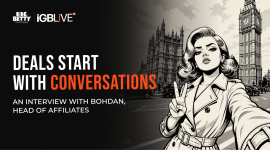
Deals Start with Conversations: Why Big Betty Is Heading to iGB L!VE
Frame 2135557781 (1).png


Online is great for getting started, darling. A few clicks, a quick chat with a manager, and traffic is already on the move. But when it comes to bigger deals, long-term growth, and real partnerships, face-to-face conversations still do the heavy lifting.

We spoke with Bohdan, Head of Affiliate at Big Betty Partners, about why events like iGB L!VE continue to matter in 2026.

Why Offline Still Wins​

According to Bohdan, an affiliate business is built on relationships. Online communication helps launch cooperation quickly, but personal meetings add something harder to measure: trust.

A 15-minute conversation at a conference can often achieve more than weeks of messages. It’s where exclusive deals are discussed, partnerships are strengthened, and decisions happen faster.

What Affiliates Gain at iGB L!VE​

Events like iGB L!VE are more than networking.

Affiliates come to:
  • discover new GEOs and traffic opportunities;
  • discuss custom deal structures and individual terms;
  • explore new offers and scaling opportunities;
  • connect directly with decision-makers.
As Bohdan puts it, conferences shorten the distance between an idea and its execution.

Reserve Your Meeting with Big Betty

Common Conference Mistakes​

Many affiliates arrive without a plan and leave with a pocket full of business cards but no real results.

The biggest mistakes:
  • no meeting schedule;
  • chasing quantity instead of quality;
  • unclear presentation of traffic and results;
  • weak follow-up after the event.
The affiliates who get the most value are the ones who arrive with clear goals and leave with concrete next steps.

What Big Betty Brings to London​

This year's iGB L!VE is a special one for Big Betty. The program has been shortlisted in three industry award categories, and the team is preparing more than just another conference stand.

Expect:
  • a dedicated space for business conversations;
  • networking over a drink or two;
  • the StopTime Challenge;
  • exclusive merch;
  • and, naturally, a few surprises. After all, Betty never shows up empty-handed, pal.
One Reason to Attend?
Simple.

iGB L!VE is where conversations become partnerships.

If London is on your calendar on July 1-2, make sure Big Betty is too. Book a meeting, stop by the stand, and let's talk traffic, growth, and the next big deal.

Reserve Your Meeting with Big Betty
 

Native Ads for iGaming: Warm Traffic Wins, Darling​

1782459521133.png


Native ads remain one of the strongest paid traffic formats in iGaming. Unlike display banners, they introduce users to valuable content before the offer, creating higher-quality traffic and stronger conversion intent.

In-feed native campaigns typically generate 1.9–3.4% CTR, while display banners average 0.1–0.4%. That difference isn't just about clicks, pal — it's about sending warmer users into your funnel.

Native placements blend naturally into content, reducing banner blindness and improving engagement.

Affiliates who use advertorials before the offer often see stronger player quality, making native traffic particularly effective for RevShare and Hybrid deals.

A few numbers worth keeping in your back pocket:
  • CTR up to 3.4%
  • ROI up to 260%
  • Mobile accounts for 76% of iGaming traffic
  • Testing 5+ creatives can reduce CPA by 31%
Not every traffic source plays the same game.
  • RichAds — low CPC, affiliate-friendly, strong global reach.
  • Adcash — low entry budget for testing.
  • Evadav — native, push, and in-page push.
  • MGID — solid choice for advertorial campaigns.
  • Taboola & Outbrain — premium inventory with content-first funnels.
  • ROIads — built for larger media buyers.
Choose your network based on traffic quality, moderation speed, and scaling options — not just CPC.

Different formats solve different problems.

Advertorial Funnel
Ad → Advertorial → Offer

Best for long-term player value and RevShare campaigns.

Direct Funnel
Ad → Offer

A faster path that works well for CPA-focused campaigns.

Short-form native video also continues to deliver some of the highest engagement rates across mobile traffic.

The best native creatives don't look like ads.

Winning campaigns usually combine:
  • bonus-driven messaging;
  • localized content;
  • social proof;
  • urgency;
  • multiple creative variations.
Launch with several creative angles instead of relying on a single banner, and refresh them regularly to avoid fatigue.

A solid launch usually follows a simple playbook:
  1. Choose the right traffic source.
  2. Pick the funnel structure.
  3. Prepare multiple creatives.
  4. Separate mobile and desktop campaigns.
  5. Review placements after the first 48 hours.
  6. Scale winners and pause weak performers.
Native rewards patience, darling. Warm the audience first, and the conversions tend to follow.

Don't stop at the headlines, pal. Visit our blog for the full article with all the numbers, details, and strategies behind successful native campaigns.
 
Как рассчитывается NGR в RevShare и есть ли перенос отрицательного баланса?
 

10 iGaming Affiliate Mistakes That Burn Your Budget, Darling​

10-costly-mistakes-affiliates-ma.png
Affiverse's 2026 research estimates that 95% of affiliate marketers never reach stable long-term income, and in iGaming, every setup decision matters. Clean tracking, disciplined testing, and patience beat guesswork every time. That's Betty's bag.

Before You Scale, Get the Basics Right​

If your foundation is shaky, your budget disappears fast. Start with the essentials:
  • Set up S2S tracking before launching traffic.
  • Test every postback before spending your first euro.
  • Keep each traffic source in a separate campaign.
  • Test offers instead of assuming the first one is the winner.
  • Match offers to the correct GEO.
A tracker like Keitaro or Binom, a properly configured S2S postback, and one successful test conversion should always come first. One broken token can leave every FTD invisible. All show and no go, pal.

The Mistakes That Cost Affiliates the Most​

1. Launching Without Tracking​

No tracking means no optimization. If you can't see where deposits come from, you can't scale what works.

2. Mixing Traffic Sources​

SEO, Push, Paid Social, and Native traffic behave differently.

Big Betty benchmarks show:
  • SEO/PPC Reg-to-Dep: 20-60%
  • Facebook/ASO: 30-50%
  • In-App: 15-30%
Keep each traffic type in its own campaign to maintain clean data.

3. Skipping Split Tests​

Never judge an offer after a handful of clicks.

A solid test starts with:
  • 200+ clicks per offer
  • One variable at a time
  • Unique SubIDs
  • Same GEO and traffic source during testing
With 8 brands available, there's no reason to bet everything on one offer.

4. Sending Traffic to the Wrong GEO​

Higher traffic doesn't always mean better results.

Before launching, check:
  • Which GEOs convert best
  • Which commission model fits
  • Which creatives work for that audience
Volume looks boss on paper. Conversions pay the bills.

5. Using Misleading Creatives​

If the ad promises one thing and the landing page shows another, trust disappears.

Keep the message consistent from:

Creative → Pre-lander → Landing Page → Offer.

6. Ignoring Platform Requirements​

Every traffic source has its own rules.

Before launch, confirm:
  • Approved creatives
  • Bonus messaging
  • GEO-specific requirements
Don't blow your wig over rejected campaigns that could've been avoided.

7. Scaling Too Early​

Never increase the budget before proving the campaign works.

Test:
  • 3-5 creatives
  • Small budgets
  • CTR
  • Reg-to-Dep
  • Deposit quality
Only then will spending start to increase.

8. Scaling Without Enough Data​

Five FTDs aren't a trend.

A healthier benchmark is:
  • 30-50 FTDs
  • Stable results for 2 weeks
  • Budget increases of 30-50% at a time

9. Skipping the Pre-Lander​

Direct linking rarely delivers the strongest results.

A good pre-lander should have:
  • Matching bonus details
  • Fast load speed
  • Mobile optimization
  • One clear CTA
It also gives you a complete funnel view from click to FTD.

10. Quitting Too Soon​

Affiliate marketing takes time.

Give each variation:
  • 200–300 clicks
  • 50+ registrations
  • Full funnel tracking
Affiverse reports that 45% of affiliates say traffic generation is their biggest challenge. Many quit before the data tells the real story.

Betty's Final Word​

Successful affiliates don't chase every shiny opportunity. They build clean funnels, test patiently, and scale only after the numbers prove it's time.

Keep your data clean, your tests disciplined, and your cool head on. The treasure usually belongs to the affiliate who waits for the right signals—not the loudest ones.

Want the full story, darling? We break down every mistake in detail on our blog. Head over and have a read.

2_1.gif
 

Programmatic Advertising in iGaming: Scale Smarter, Not Louder
igaming-seo-2026 (1).png

Programmatic advertising now drives over 90% of global display ad spend, yet many iGaming affiliates still overlook it in favor of search or social. That's leaving plenty of scratch on the table, darling. Structured campaigns can reduce CPMs by 25-45%, while DSP-powered retargeting delivers 2-4x higher ROAS than untargeted banner traffic.

Suppose you're planning to scale across multiple GEOs. Understanding how programmatic works is no longer optional. It's what separates campaigns that grow from campaigns that are all show and no go.

How Programmatic Actually Works​

Unlike traditional banner buys, programmatic advertising purchases every impression through real-time bidding (RTB).

Here's the simplified flow:
  • A user opens a webpage.
  • The impression enters an auction.
  • DSPs evaluate the visitor in milliseconds.
  • The highest bidder wins the placement.
The entire process takes less than 100 milliseconds.

One mistake many affiliates make? Mixing up DSPs, SSPs, ad exchanges, and ad networks. Each plays a different role, and confusing them often leads to poor inventory quality and higher acquisition costs.

Which Platforms Work Best for iGaming?​

Most enterprise DSPs expect large budgets and lengthy onboarding. For affiliates, specialist platforms are usually the better fit.

Popular choices include:
  • TrafficStars
  • Adsterra
  • Adcash
  • RichAds
  • Match2One
These platforms support display, native, push, video, and other formats while offering lower entry budgets and inventory built for affiliate campaigns.

Are You Buying Cheap Traffic... or Good Traffic?​

A low CPM can look tempting. But here's the real question, pal:

Will that traffic actually convert?

Experienced media buyers evaluate much more than price:
  • inventory quality;
  • fraud protection;
  • audience intent;
  • creative formats;
  • targeting options.
Because cheap impressions that never become deposits aren't a bargain — they're just expensive mistakes.

Display Formats That Still Deliver Results​

Creative has a direct impact on CTR and profitability.

Current benchmarks show:
  • Dynamic creatives: 0.68% CTR
  • Video display: 0.56%
  • HTML5 rich media: 0.44%
  • Static banners: 0.32%
The classic 300×250 remains the workhorse thanks to its wide inventory and excellent mobile performance.

Speaking of mobile — it now accounts for roughly 71% of all programmatic spend, while mobile CTR is around 68% higher than desktop. That's Betty's kind of audience.

Open Exchange or Private Marketplace?​

Not all inventory is created equal.

Open Exchange
  • lower CPMs ($1-2);
  • wider reach;
  • higher fraud risk.
Private Marketplace (PMP)
  • higher CPMs ($2.78-4.85);
  • stronger inventory quality;
  • lower fraud exposure;
  • 204% higher CTR than standard open exchange inventory.
If campaign stability matters more than squeezing every last cent out of CPM, PMPs are often worth the extra investment.

Targeting After Third-Party Cookies​

Cookie-based targeting isn't what it used to be.

Today's strongest campaigns rely on:
  • first-party audience data;
  • contextual targeting;
  • lookalike audiences;
  • retargeting based on postback data.
Affiliates who invest in clean tracking and audience building early usually find scaling much easier later.

What Should You Measure?​

Successful campaigns focus on more than clicks.

Track:
  • CPM
  • CTR
  • CPC
  • CPA
  • ROAS
  • Viewability
  • Reach
Industry benchmarks place acquisition costs at $50-$200 per FTD, depending on the GEO and traffic quality.

And don't ignore pacing. Spending the daily budget too early often drives CPMs up for no good reason. Slow and steady wins more deals than panic bidding, darling.

Programmatic advertising has matured into one of the strongest acquisition channels for affiliates willing to treat it like a performance strategy rather than an experiment.

Start with reliable tracking, choose quality inventory over cheap impressions, build first-party audiences, and optimize every campaign based on data — not guesses.

Want to dig deeper? Our full guide covers RTB, DSPs, targeting strategies, campaign structure, and performance benchmarks in much greater detail.

2_1.gif
 
Назад
Сверху